

Circular procurement platform
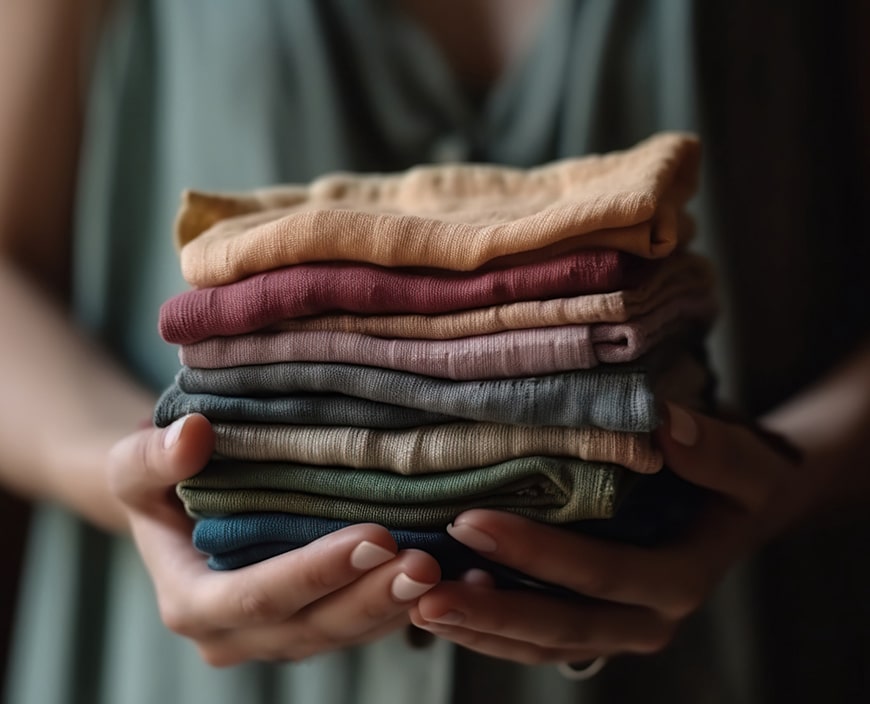
The circular economy is growing in importance across numerous industries as we produce more and more waste. Furniture manufacturers and interior designers who want to be more sustainable are looking out for new ways to reduce their carbon footprint, procure materials in a more sustainable way and to reduce their waste. For any furniture producer that has textile elements to their products, ProcureCircular have a solution that can achieve all.
The pre-consumer waste problem
The global textiles industry has a growing waste problem, with approximately 92 million tonnes of waste produced each year. Should this trajectory persist, projections indicate that fast fashion waste alone could surge to 134 million tonnes annually by the decade's end. Indiscriminate use of water, and harmful chemicals in addition to producing unmanageable amounts of carbon emissions and waste, is all a bioproduct of the industry’s waste problem. [1]
This leads to land degradation and causes rampant destruction to global ecosystems. While a lot has been written on post-consumer waste – clothing that ends up in landfill after purchase - the challenge has worsened due to fast-fashion. Additionally, less focus on the growing waste created at the pre-consumer stage, especially during the milling and manufacturing stages is also another reason for pre-consumer waste. [2] Policies such as the EU Green Deal and Extended Producer Responsibility (EPR) act among others highlighting the need to address both these kinds of waste and increase life of all textile materials through innovative methods of reuse and repurpose. [3]
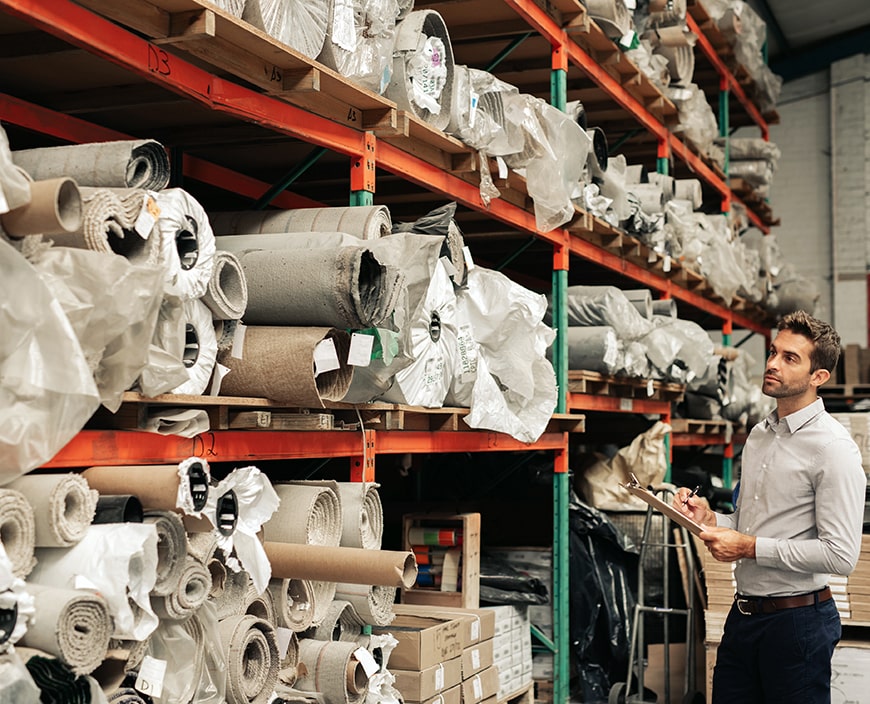
Pre-consumer waste often exceeds 40-50% of the total waste generated by the textile industry, as per a report on the Indian textile industry. This waste is usually a result of a combination of factors such as over-ordering, manufacturing errors and offcuts. Hence, large quantities of material go through carbon-intensive recycling processes, sit in warehouses or simply end up in the landfill. [4]
Circular B2B procurement technology
ProcureCircular was founded with the intention of addressing this challenge. A leading climate-tech organization is on a mission to help the textile industry align with the EU circular economy framework for textiles and to tackle the pre-consumer waste problem. After facilitating the recirculation of thousands of tonnes of textiles during between 2020 and 2023, they are now launching a B2B procurement platform for manufacturers, brands and designers to scale this work.
The circular procurement platform enables manufacturers to tackle this overwhelming challenge of textile waste by listing waste from across their supply chain onto the platform. This includes dead inventory for resale in the brokerage marketplace, driving operational efficiency in addition to unlocking a positive environmental impact for the manufacturing business by doing so. The platform facilitates waste management whilst realizing a new revenue stream or a ‘closing of the loop’ if the material doesn’t sell.
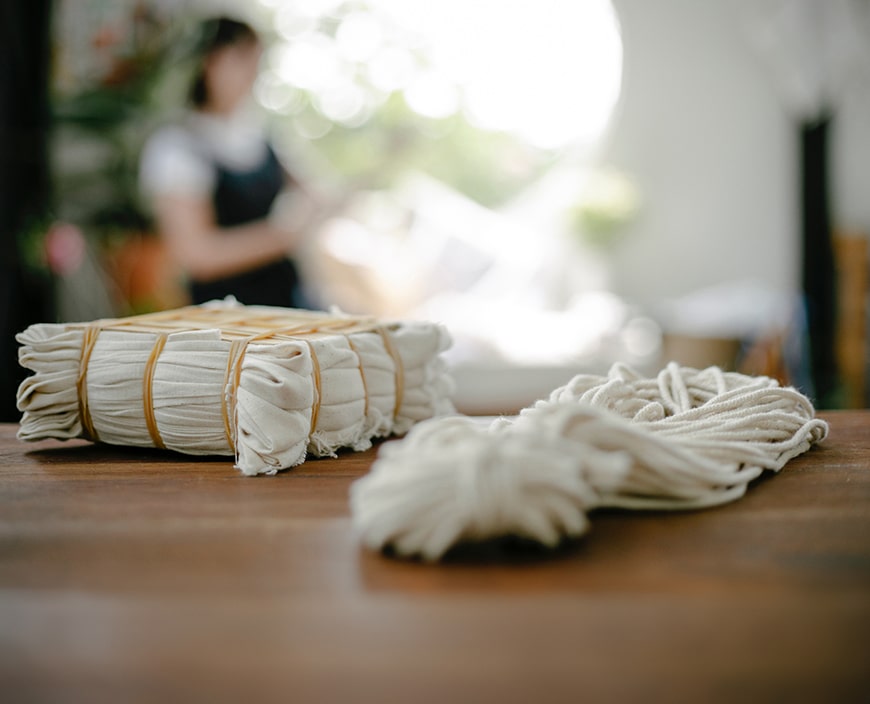
The platform therefore acts as a great tool for designers looking for premium plant and animal-based materials such as wool, linen, silk as well as the rare textiles such as peace silk and various kinds of organic cotton, ethically sourced from across the world and industry certified. This ensures responsible and strategic sourcing, contributing to a reduction in the environmental impact of the end-products of brands and manufacturers. Reduction in environmental damage is made across key indices, of carbon, water, chemicals, and raw materials; ProcureCircular provides a comprehensive report of the same which this better communicated to the end-consumer through the platform.
ProcureCircular is open for applications from brands, manufacturers and designers working in textiles who want to improve their position on sustainability and improve their ESG impact of their organisation. Find out more on procurecircular.com
Resourses
[1] https://earth.org/statistics-about-fast-fashion-waste/
[2] https://www.fibre2fashion.com/industry-article/8696/harmful-effects-of-textile-waste
Leave your feedback Cancel reply