

Global Timber Market 2026
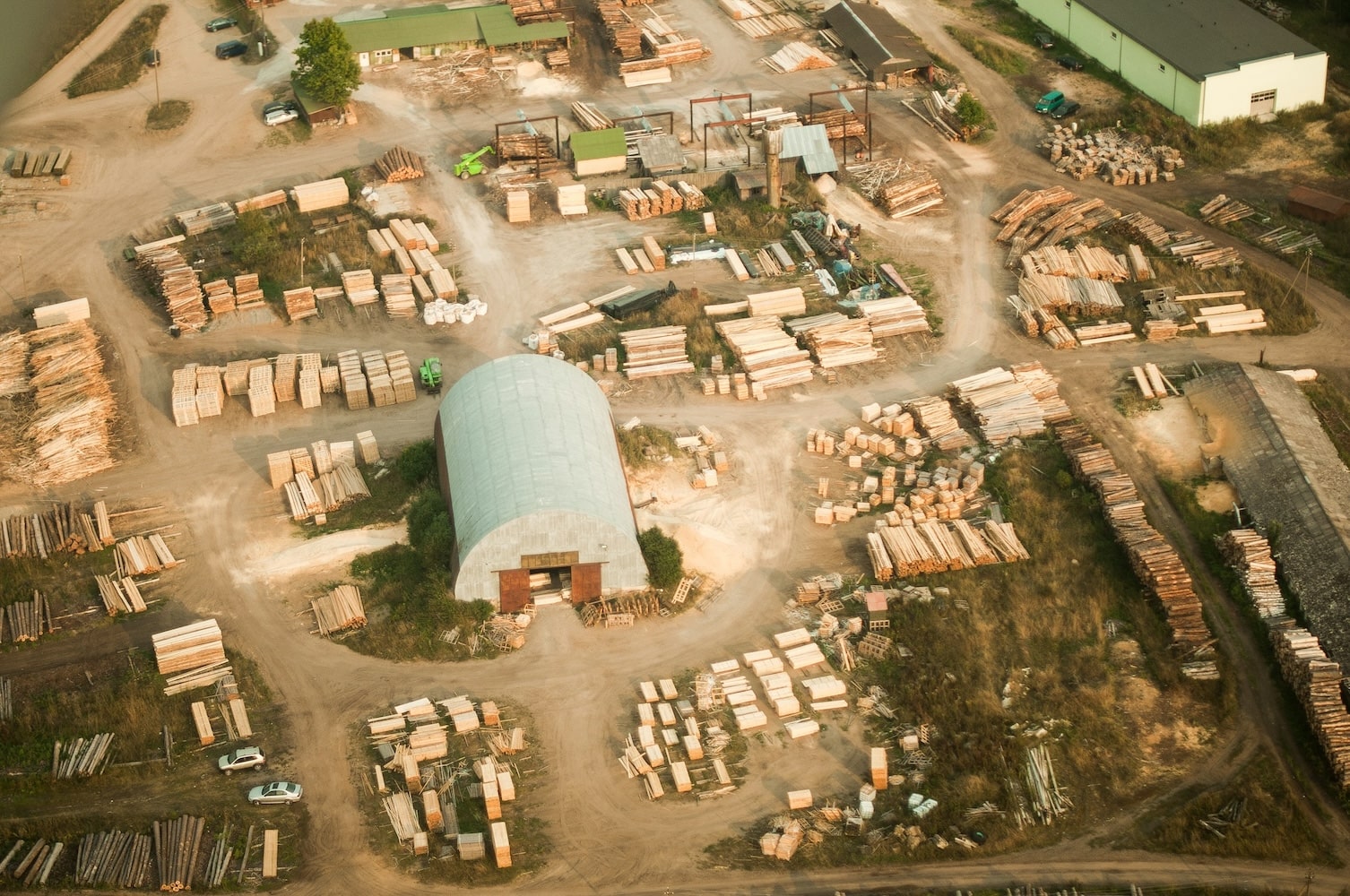
As we approach 2026, the global timber market is emerging from a period of high volatility and entering a "new normal" phase. For Ukrainian businesses, this year will be a moment of truth: either adapt to strict EU environmental standards and digitalize processes, or lose competitiveness in key markets.
1. Macroeconomic Forecast: Facts and Figures
The global market for wood and timber products is valued at $1.02 trillion in 2025 and is projected to reach $1.06 trillion in 2026. Growth is expected to hit $1.63 trillion by 2035, representing a compound annual growth rate (CAGR) of over 4.8% during the 2026–2035 period.
Key Indicators:
– Growth Rates: The wood products segment continues to show strong momentum.
– Regional Leadership: The Asia-Pacific region is expected to continue dominating the global timber market, accounting for approximately 45% of global timber and forest products consumption in 2026.
– Sectoral Distribution: The construction sector remains the largest consumer, followed by the furniture industry (dominating the panels and case goods segment), and packaging/industrial products, which maintain a significant share of global demand.
2. EUDR: The New "Ticket" to the European Market
The most critical development for Ukrainian exporters is the implementation of the EU Deforestation Regulation (EUDR). Following extensive discussions, the European Parliament approved a delay:
– December 30, 2026: Mandatory application begins for large and medium-sized companies.
– June 30, 2027: Deadline for small and micro-enterprises.
What does this mean for Ukraine?
Ukraine has officially been granted "Low Risk" status. This is a strategic advantage that simplifies Due Diligence procedures for European importers buying Ukrainian goods. However, the obligation to provide precise geolocation data for harvesting plots remains mandatory. Detailed information is available on the official web portal of the State Forest Resources Agency of Ukraine.
3. Product Trends: Where Should Manufacturers Invest?
In 2026, the woodworking market is shifting from raw material procurement toward a model of supplying finished and semi-finished high-value-added components. This is driven by EUDR traceability requirements, labor shortages in the EU, and the dominance of BIM (Building Information Modeling) in construction.
A. Mass Timber and CLT
The market for Cross-Laminated Timber (CLT) and Glulam is growing at an accelerated pace. According to Global Growth Insights, the use of wood in modular housing is expected to rise by 43% in 2026. Ukrainian producers should focus on certifying their lamellas and panels specifically for structural use.
B. The Furniture Sector
Furniture accounts for roughly 33% of global wood consumption. The main trends are "eco-minimalism" and the use of light species (pine, beech, birch). The DIY (Do-It-Yourself) market in Europe and North America creates steady demand for planed products and edge-glued panels.
C. Energy Wood
The production of pellets and fuel briquettes will continue to recover in 2026. The UNECE forecasts moderate growth in EU biofuel consumption amid the ongoing energy transition.
4. Digitalization: From Forest to Customer
By 2026, exporting without a "digital footprint" will be impossible. Ukraine is already ahead of many competitors due to the implementation of:
– e-Logging permits and e-Waybills (e-TTN).
– Photo-fixation of timber loading.
– Electronic certificates of origin.
For manufacturers, digitalization is about efficiency, not just compliance. AI technologies in sawmilling can reduce waste by 15%, which is critical as raw material prices rise.
5. Recommendations for Ukrainian Exporters in 2026
– Focus on Deep Processing: Given the current restrictions on logs exports, developing sawmilling and the production of high-value-added components is the most economically viable path.
– FSC / PEFC Certification: This is vital for accessing major clients and competitive markets. It demonstrates responsible sourcing—a requirement for large retail chains and international distributors.
– Adapt to EUDR Today: Verify if your suppliers can provide geolocation coordinates. Even if your formal deadline is 2027, large EU buyers will likely demand this data in 2026 to prepare their supply chains.
– Explore "Low Risk" Markets: Beyond the EU, look toward the Middle East (UAE, Saudi Arabia), where a construction boom is driving massive demand for structural timber.
In 2026, the global timber market will finalize its transformation into a market of responsible consumption. For EU buyers, sustainable forest management is no longer a competitive advantage – it is a baseline requirement.
Ukrainian manufacturers have a strong starting position due to our "Low Risk" status, digital accounting tools, and proximity to the EU. In 2026, the winners will be those who turn regulatory compliance into a clear value proposition and a powerful marketing advantage.
Let’s contribute to a sustainable future together!
Leave your feedback Cancel reply