

Batteries from wood sawdust

Lithium-ion batteries have become an integral part of our modern lives. They can be found in every aspect of our daily lives, from smartphones to cars, from household appliances to large power systems. Compared to traditional lead-acid batteries, lithium-ion devices not only charge 4 times faster, but also last 10 times longer, and have a much higher energy density, 10 times higher per unit volume. This is exactly what has allowed our electronic devices to become more compact and convenient.
In addition, lithium-ion batteries have made the lives of electric car owners much easier. They can now cover long distances without the need for frequent recharging, making travelling more comfortable and efficient.
Concerns about environmental pollution and the depletion of natural resources are forcing us to look for new, environmentally friendly alternatives to traditional energy sources. One of the most innovative solutions in this area is batteries from wood chips. This technology opens up new prospects for creating energy-efficient and environmentally friendly power sources.
But how exactly does it work? Many of us are familiar with the fact that wood is used as the main raw material for paper production. However, did you know that this process produces a by-product - lignin? Lignin is converted into a solid carbon powder called charcoal. This is an important step because the process converts an insulator, which is lignin, into a conductor, which is charcoal. The charred lignin is then pressed into an electrode sheet, which can be used together with other components to create electrochemical batteries and other devices that use electricity.
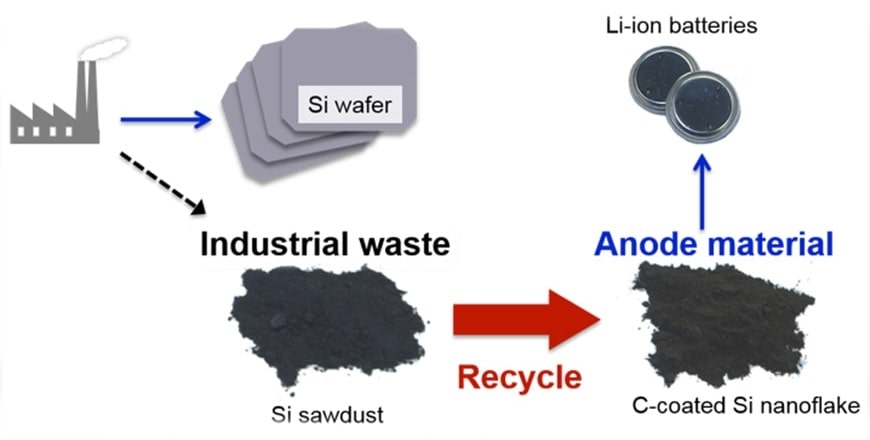
Thus, the use of lignin in the energy sector is becoming a new innovative area that opens up new opportunities for the sustainable use of natural resources and the creation of efficient energy systems.
The Norwegian company Beyonder is a leader in sustainable energy solutions. Beyonder's mission is to accelerate the pace of electrification with environmentally sustainable and highly efficient high-capacity energy storage technologies. Beyonder's battery technology is unique - it is developed using wood chips derived from waste from the Norwegian forestry industry. They use water-based solvents, carbon derived from wood chips, and a silicon composite that provides an alternative to cobalt and nickel.
The activated carbon cathode, which is derived from wood, allows Beyonder batteries to deliver more power, store energy for a longer period of time and charge faster than conventional batteries.
Safety is another priority for Beyonder. Their batteries have a significantly lower tendency to spontaneous combustion and combustion compared to conventional lithium-ion batteries, which is an important step in ensuring safety for both users and the environment.

Another successful company from Finland, Stora Enso, is an example in the field of batteries from sawdust. This company supplies eco-friendly wood raw materials to Northvolt, a battery manufacturer. Lignode is a feedstock made from lignin, a carbon-rich polymer that makes up 25% of wood's structure. Stora Enso sources its lignin from sustainably grown Scandinavian forests.
The company claims that Lignode will speed up charging compared to graphite anodes. Stora Enso also believes that the structure of their raw materials improves battery performance at low temperatures (below zero).

Advantages of wood chip batteries
Reduced emissions. The production and operation of these batteries does not involve emissions of harmful substances, which helps to reduce air pollution.
Sustainability in the use of renewable resources. The use of wood as the main material for the batteries ensures their sustainability against the depletion of natural resources.
Energy efficiency and cost-effectiveness. Batteries from sawdust have a high energy density and can be more cost-effective to produce than traditional batteries. For example, it takes approximately USD 2 to produce 1 kg of synthetic graphite for batteries, while according to one of the scientific consultants of Ligna Energy (a company that also produces wood chip batteries), all the materials used in their battery cost less than USD 1/kg.
Thus, batteries from wood chips are an area of energy technology development that can open up new opportunities for creating environmentally friendly and efficient power sources. Investing in the research and development of this technology can be an important step towards green energy and preserving the environment for future generations.
Let's contribute to a sustainable future together!
Leave your feedback Cancel reply