

Wooden Furniture Design Trends 2025
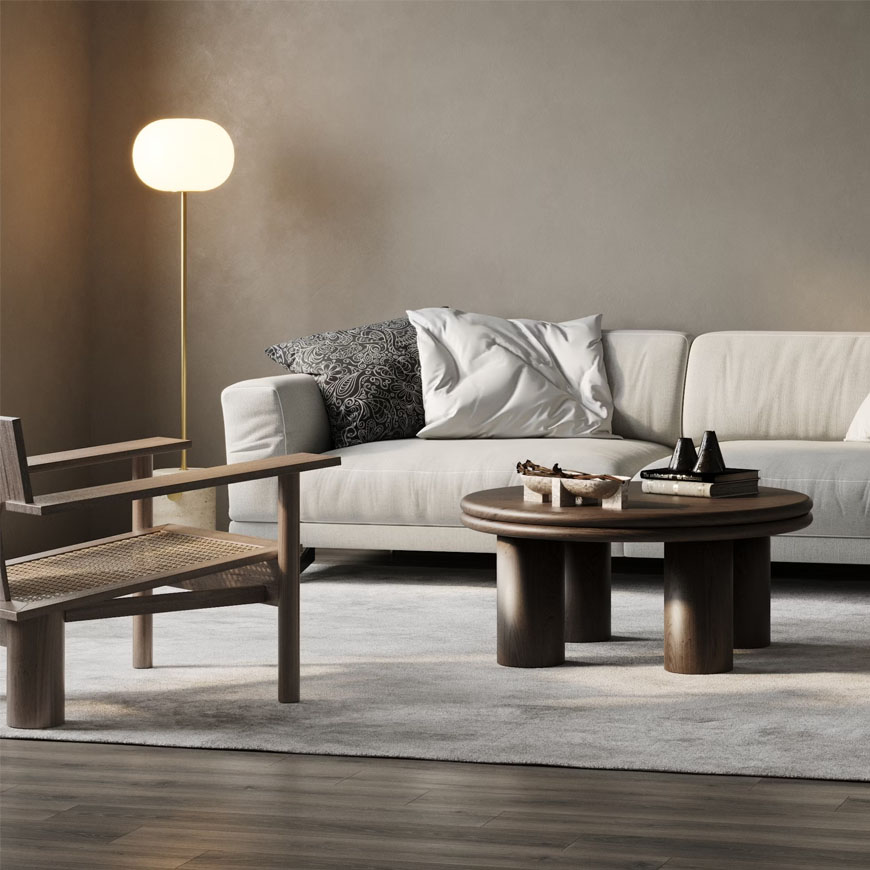
In 2025, wooden furniture is once again becoming a trend, combining aesthetics, sustainability and innovation. Natural wood is increasingly appearing in most modern interior styles, where the warmth of the natural material is harmoniously combined with minimalism, practicality, and design for the future.
Naturalness and eco-friendliness in materials
Modern furniture brands increasingly prefer solid wood, as this material is environmentally friendly and does not contain harmful formaldehyde glues, unlike chipboard.
FSC chain of custody certification: The user of wood furniture receives confirmation that the product is made from FSC-certified material that has been identified and separated from uncertified and uncontrolled material throughout its journey through the supply chain, from forest to market.
Recycled wood: Recycling used furniture and using wood residues from production or recycled materials reduces waste and extends the life of the wood material.
Eco-friendly adhesives and coatings: wood furniture manufacturers are increasingly avoiding toxic varnishes and paints and instead using waxes, oils and natural oils, which at the same time give the wood furniture a natural, unique look.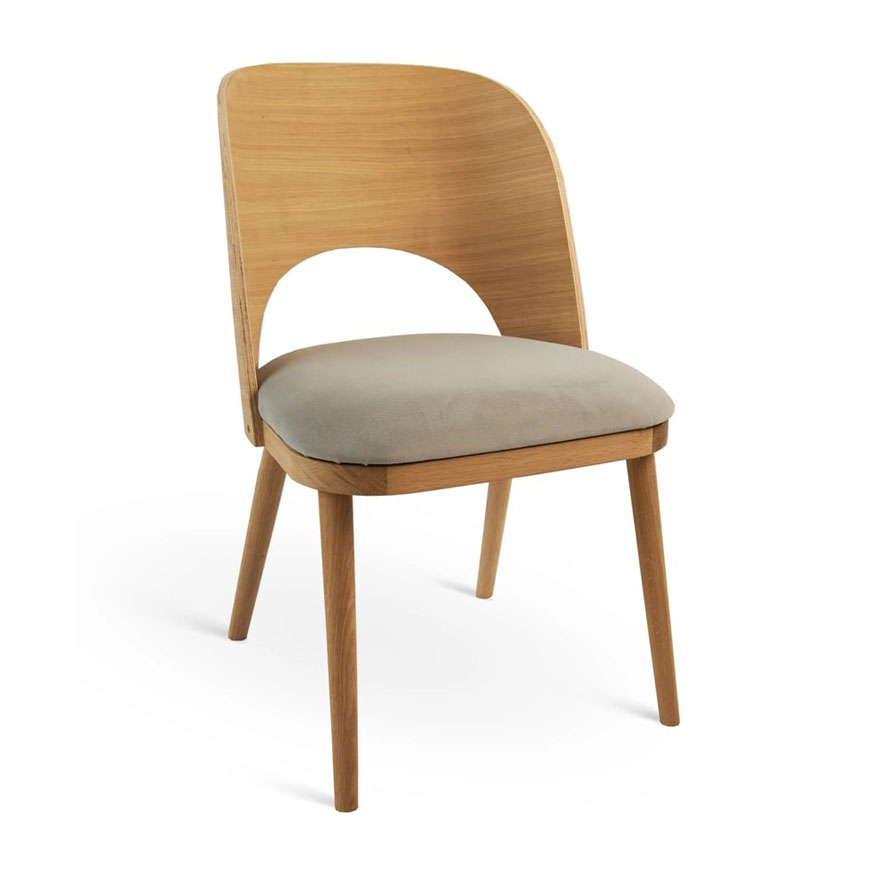
Biophilic design and natural textures
Biophilic design is becoming one of the leading trends in the manufacture of wooden furniture. The main idea is to deeply integrate natural materials, primarily wood, into the interior. It is not the perfectly processed but the living texture of wood with its unique cracks, knots and fibres that is used.
Furniture shapes are increasingly imitating natural forms, and the finishing emphasises the authenticity of the material instead of hiding it. This approach is embodied, for example, in exhibition projects such as Ash Rise in Scotland, where furniture is not just made of ash, but tells the story of the interaction between wood, humans and the environment.
The biophilic approach is not about decor, but about a philosophy that introduces a sense of calm, organic balance and sustainability into the space. It contributes to the formation of interiors where wooden furniture acts as a conduit between modern life and the natural environment.
Minimalism and functionality
In 2025, the minimalist approach is taking on a new meaning, with an emphasis not only on simplicity of form but also on creating a warm, cosy environment with natural materials.
Warm wood shades, such as light oak, beech and ash, dominate, contrasting with the previous cold grey tones. Furniture with a pronounced natural texture is gaining in popularity, with the surface retaining tangible wood reliefs, which adds tactility and authenticity to the products.
At the same time, there is a growing need for flexibility – transforming tables, beds with built-in storage systems, and compact furniture modules are becoming more common in the interiors of small urban apartments. According to Grand View Research, the global minimalist furniture market will reach $48.4 billion by 2030, showing steady growth amid demand for functional design.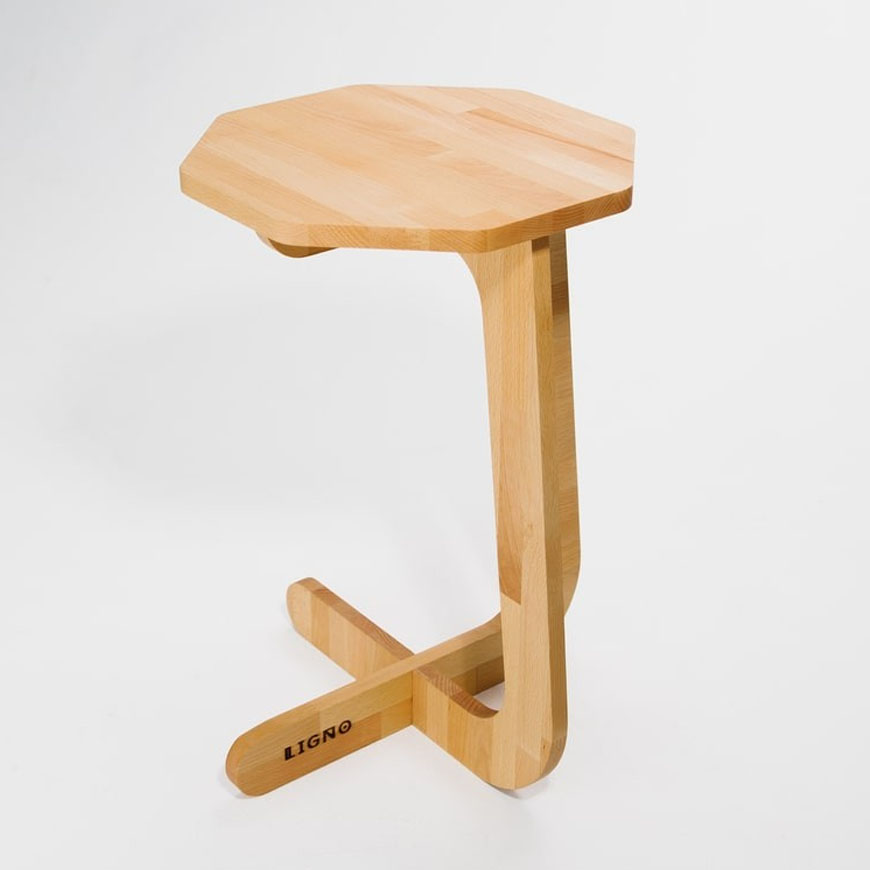
Technology in wood furniture
Technological innovations are increasingly penetrating the wooden furniture industry. In 2025, the segment of smart features is actively developing: wooden furniture elements are equipped with built-in wireless charging modules, adjustable LED lighting, temperature and humidity sensors, and even voice control. Such solutions are integrated into desks, beds, and wardrobes, creating a comfortable environment for working from home or relaxing.
At the same time, CNC milling technology allows for precise cutting of complex shapes and ornaments on solid wood, and 3D printing is used to create non-standard fittings or decorative elements. This expands customisation options, increases production efficiency and allows us to respond quickly to individual customer requests.
Colour trends: light and shades of wood
Light shades, such as white oak, ash and beech, are leading the way as they visually enlarge the space, add lightness to the interior, and combine with most styles, from Scandinavian to minimalist.
At the same time, dark tones such as black walnut, wenge and burnt wood (Shou Sugi Ban technique) are also actively used in furniture design, actively used to create deep contrasts and visual focal points. Colour trends tend towards matte, natural shades without excessive shine, which emphasises the authenticity of wood.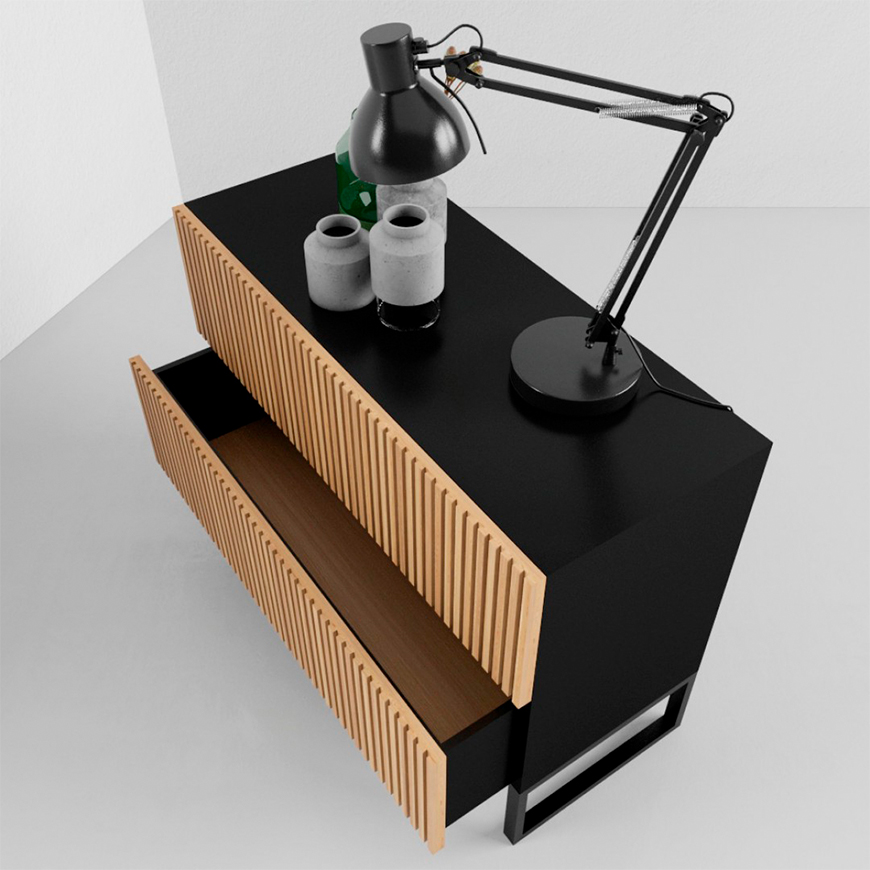
Combination with other materials
Modern furniture is a mix of materials that reinforce each other. In 2025, the combination of wood and metal continues to be popular - black metal legs make a massive wooden tabletop look light.
Another trend is the combination with transparent or frosted glass, which gives the products a visual lightness.
Natural stone (marble, basalt) is used as an accent: countertops, inserts in chests of drawers, and decorative elements. Such solutions emphasise the sophistication of wood and create a sense of luxury. An example is the collection of dressers by De La Espada, which combines Danish walnut with grey ceramics.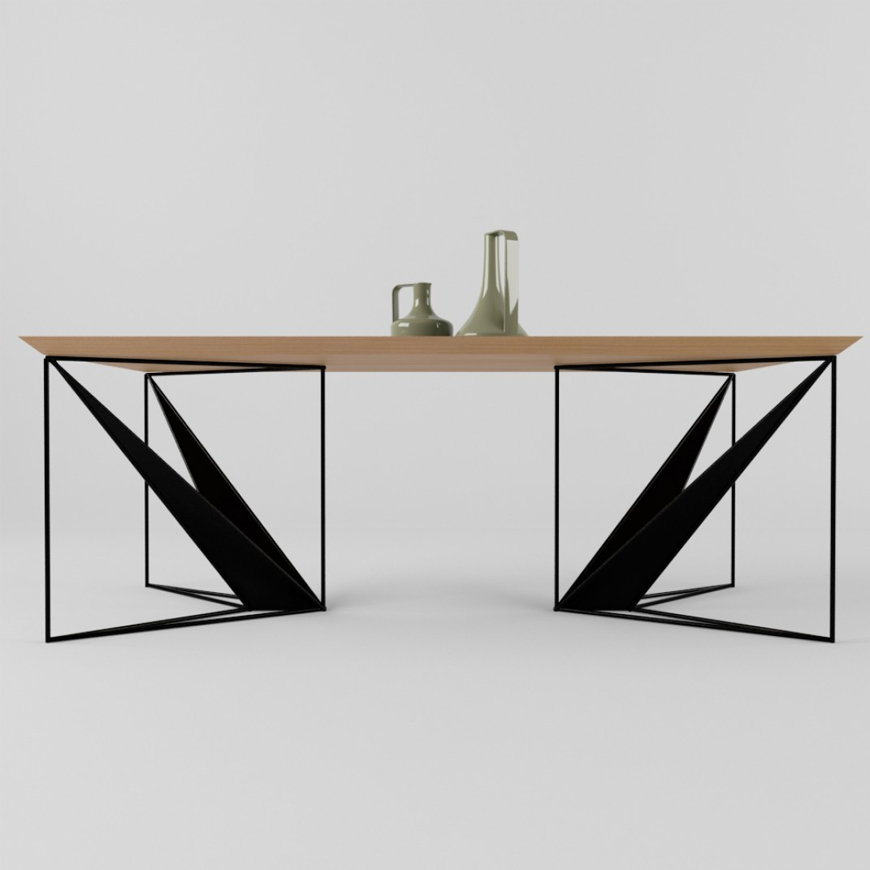
Retro, vintage and “warm modern”
In 2025, the retro theme is coming back with renewed vigour: smooth organic shapes, soft lines, bevelled edges and low designs typical of mid-twentieth-century furniture are gaining popularity. At the same time, they are combined with modern wood processing technologies to create furniture with high functionality, such as hidden mechanisms, compact forms for urban apartments or built-in technological solutions.
This trend is reflected in the Neo-Modern and Japandi styles, which combine the aesthetics of the past with the needs of modern life.
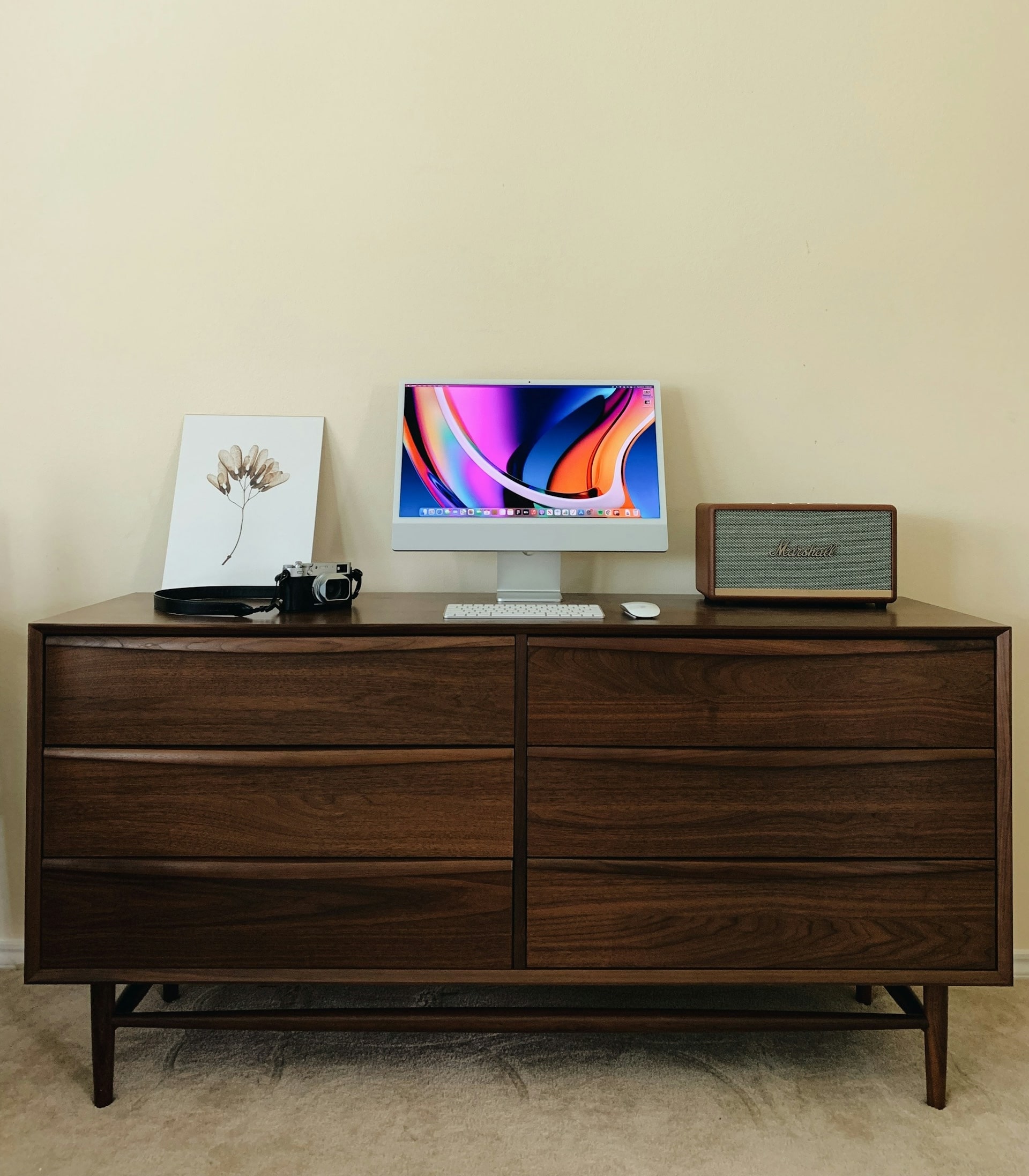
Soft shapes and curvature
A new trend for 2025 is furniture with soft, curved shapes that create an organic, cosy interior look. Wooden furniture with wavy contours and rounded details - for example, tables with oval tops, armchairs with curved backs, cabinets without sharp corners – meets the demand for comfort and safety. Such shapes not only enhance the tactile appeal of the products but also visually soften the space, making it more friendly.
Designers focus on carefully polished wooden elements that emphasise the natural beauty of the material. According to Real Simple, this trend is actively gaining popularity in 2025, especially in the home furniture segment.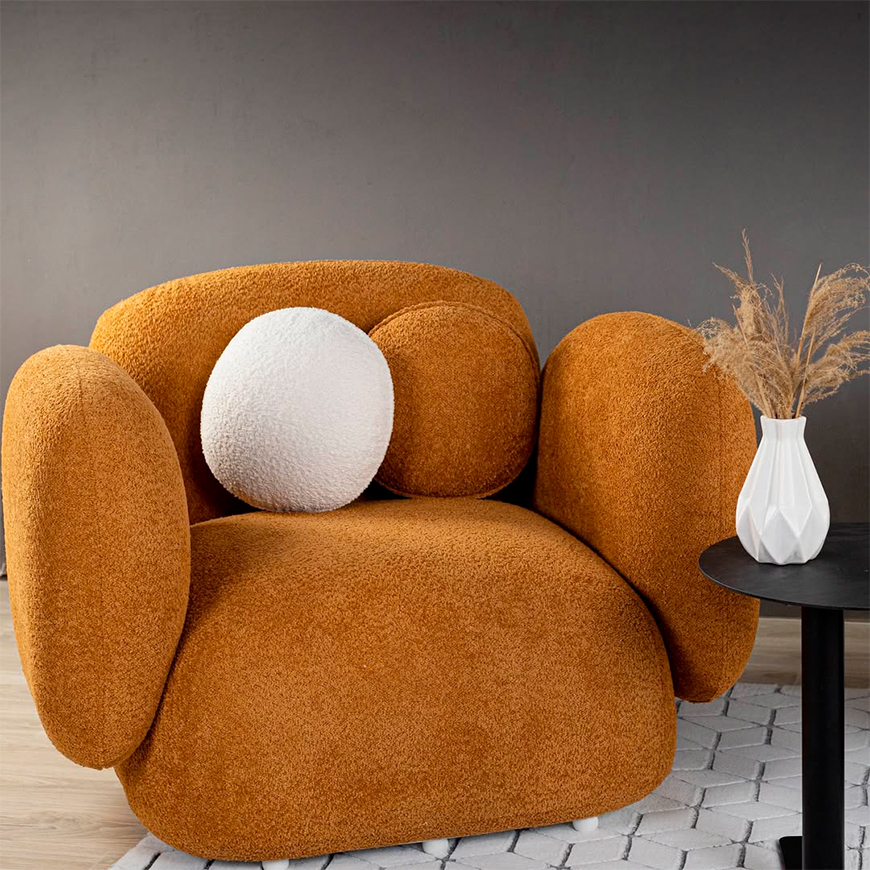
Фото: WOWin
Ukrainian context: wood is our strength
In the context of global trends, Ukrainian wood furniture manufacturers also demonstrate a high level of craftsmanship and innovation. Thanks to its abundant forest resources – including beech, oak, ash, and pine – Ukraine has a strong potential for creating high-quality and environmentally friendly products.
More and more brands are turning to local materials, authentic woodworking techniques and collaboration with local craftsmen, promoting a unique national design vision. Contemporary Ukrainian furniture combines minimalist aesthetics with the warmth of natural textures, and confidently competes on the international market thanks to its quality workmanship, design and eco-friendliness.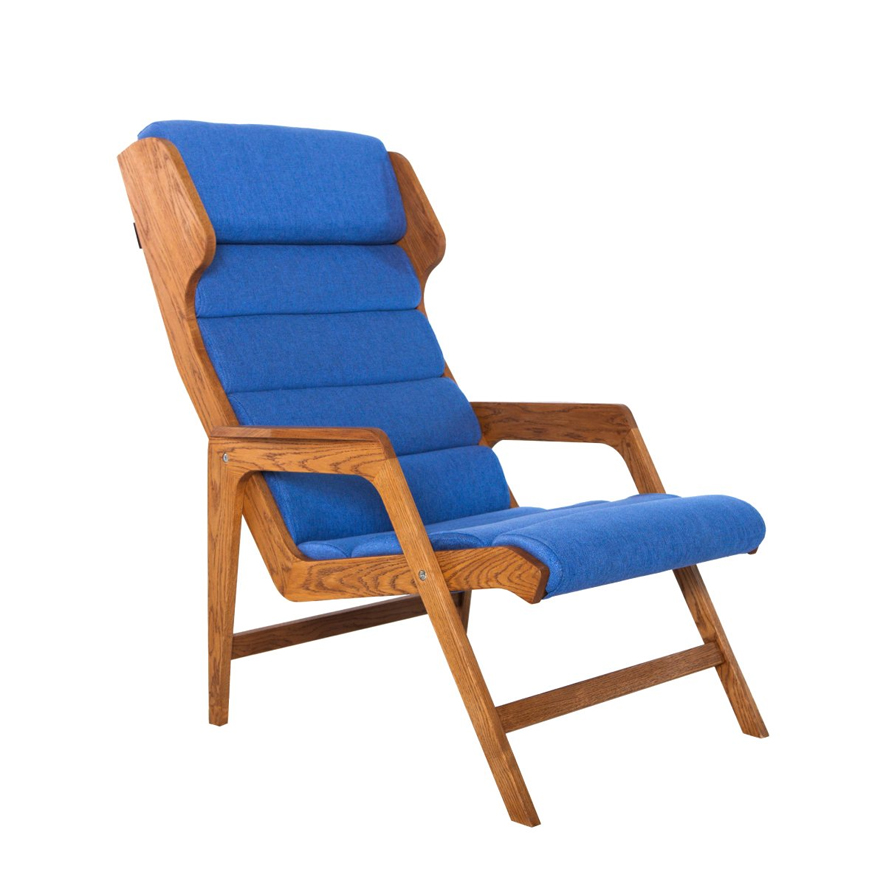
The LIGNO team consists of experienced product designers who create wooden furniture that not only meets modern trends but also remains relevant for years to come. We will help you to realise your individual vision of the interior, combining functionality, aesthetics and quality in each product.
Leave your feedback Cancel reply