

Future of wood products industry
The future of the wood products industry is likely to be shaped by a variety of trends and factors, including sustainability, innovation, and changing consumer preferences. Here are a few potential trends and developments that could shape the industry in the coming years:
Sustainable sourcing: As consumers become more conscious of environmental issues and the need for sustainable products, there is likely to be increasing demand for wood products that are sourced from sustainably managed forests. This could drive changes in the way that wood products are harvested and processed, with a greater emphasis on responsible forestry practices and certification schemes like the Forest Stewardship Council (FSC).
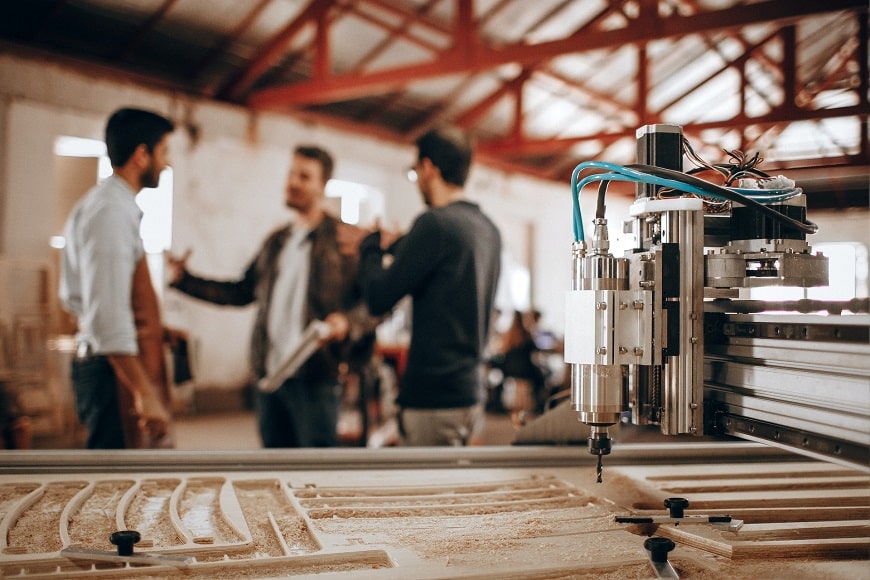
Advanced manufacturing techniques: Advancements in manufacturing technologies such as robotics and automation are likely to have a significant impact on the wood products industry. These technologies can help streamline production processes, increase efficiency, and reduce waste, while also enabling greater customization and flexibility in manufacturing.
New product development: The wood products industry is already seeing the development of new, innovative products like cross-laminated timber (CLT) and laminated veneer lumber (LVL) that offer superior strength and durability compared to traditional wood products. This trend is likely to continue, with companies investing in research and development to create new products that can compete with materials like concrete and steel in a range of applications.
Digitalization and data analytics: As with other industries, the wood products industry is likely to become increasingly digitalized, with companies using data analytics and other digital tools to optimize production processes, improve supply chain management, and enhance customer experiences.
Circular economy initiatives: The concept of the circular economy, which aims to minimize waste and maximize resource efficiency, is likely to become increasingly important in the wood products industry. This could involve new business models like product-as-a-service (PaaS), where companies retain ownership of products and materials and are responsible for their end-of-life disposal and recycling.
Overall, the wood products industry is likely to continue to evolve and adapt to changing consumer preferences, technological advancements, and sustainability concerns in the coming years.
You can review modern and high-quality wood products and place a quick online order on the LIGNO store.
Leave your feedback Cancel reply