

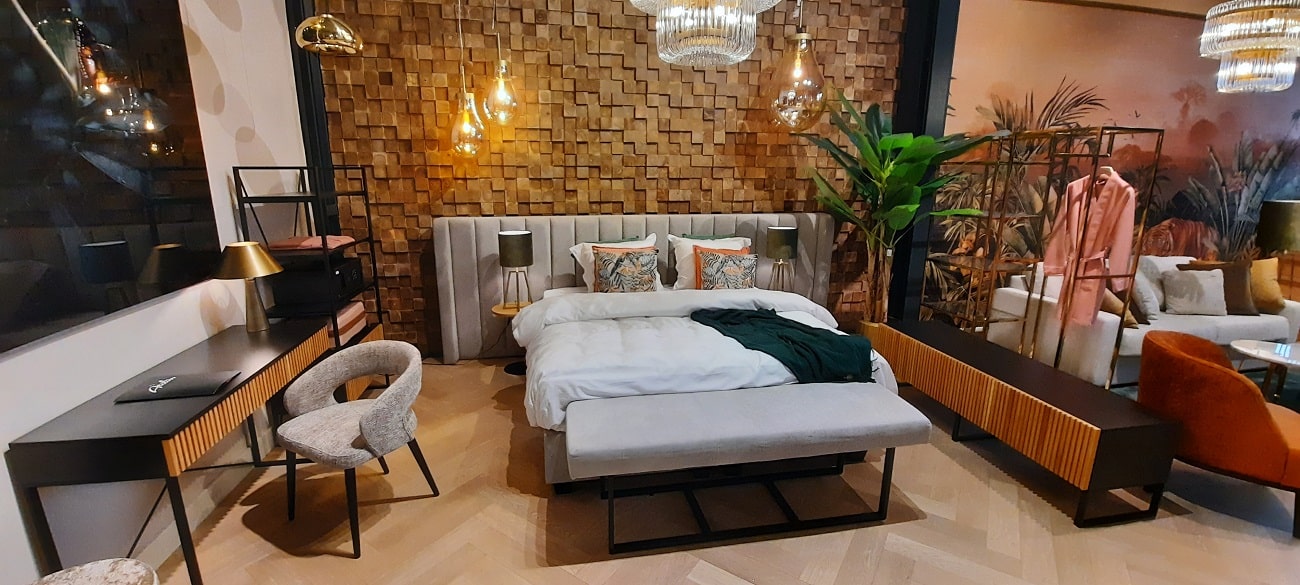
At LIGNO, you can place a custom order for wooden furniture tailored to your individual design and specifications. To do so, please fill out the form at this link or reach out via the contact details below:
Phone: +380 73 221 44 81
Email: info@ligno.com.ua
We have prepared a detailed article on the manufacture of wooden furniture to order, and described in detail about the features and manufacturing process.
Wooden furniture has been an essential part of our homes and workplaces for centuries. It not only serves its functional purpose but also enhances the beauty of the living space. Wooden furniture comes in different styles, shapes, sizes, and designs to meet various preferences of the customers. While some customers prefer to buy ready-made furniture, others prefer to order customized wooden furniture. This article discusses the production of wooden furniture to order and provides detailed insights into the manufacturing process. Our wood furniture are manufactured using raw materials sourced from FSC-certified forests.
1. OVERVIEW OF WOODEN FURNITURE TO ORDER
1.1 Definition of Wooden Furniture to Order
Wooden furniture to order refers to the process of creating custom-made furniture pieces according to the specific requirements of a customer. Unlike ready-made furniture, which is produced in bulk and sold off the shelf, furniture to order is designed and manufactured to meet the individual preferences and needs of the customer.
The production of furniture to order involves a collaborative effort between the customer and the manufacturer, where the customer communicates their design preferences, functional requirements, and material choices to the manufacturer, who then creates a unique piece of furniture that meets the customer's specifications.
The process involves a high level of customization, craftsmanship, and attention to detail, and often results in unique, one-of-a-kind furniture pieces that are not available in the mass market.
1.2 Types of Wooden Furniture to Order
There are various types of wooden furniture that can be ordered, depending on the needs and preferences of the customer. Here are some of the most common types of wooden furniture to order:
1. Customized Tables are the most common type of wooden furniture ordered to meet specific needs. They come in different shapes and sizes and can be designed to suit a particular style or function. For example, a customer may order a dining table with a unique design, shape, or size that suits their space, or a coffee table with specific storage or display features.
2. Customized Chairs can be ordered to match the design and size of a custom-made table or to fit a particular space or decor style. They can be designed to accommodate special needs such as back support, armrests, or cushioning.
3. Customized Cabinets are designed to meet specific storage needs and can be made in different sizes, styles, and finishes. Customers can order cabinets for their kitchen, bedroom, living room, or office, to accommodate specific storage needs and match the existing decor.
4. Customized Wardrobes are made to fit the size and storage requirements of the customer's space. They can be designed with specific features such as hanging space, shelves, and drawers, to accommodate different types of clothing and accessories.
5. Customized Bookshelves are a popular type of wooden furniture to order, especially for book lovers. They can be designed to fit the customer's specific space and storage needs, and can include features such as adjustable shelves, built-in lighting, or display areas.
6. Customized Beds can be ordered to fit specific mattress sizes and accommodate particular needs such as storage space or adjustable height. They can also be designed with unique headboard or footboard designs to match the customer's decor style.
7. Customized Desks can be ordered to fit specific workspace requirements and can include features such as built-in storage, adjustable height, and cable management.
These are just a few examples of the types of wooden furniture that can be ordered to meet specific needs and preferences. The possibilities are endless, and the customer's imagination is the only limit.
1.3 Advantages of Wooden Furniture to Order
There are several advantages to ordering wooden furniture to meet specific needs and preferences. Here are some of the most significant advantages:
1. Customization: One of the most significant advantages of ordering wooden furniture to order is customization. Unlike ready-made furniture that is produced in bulk, customized furniture allows the customer to have a say in the design, size, and functionality of the piece. The customer can choose the type of wood, color, and finish they prefer, and the furniture is designed to meet their specific needs and preferences.
2. Unique Design: Customized wooden furniture is designed to meet the customer's specific needs and preferences, resulting in a unique piece that is not available in the mass market. The customer can work with the manufacturer to create a design that matches their style and complements their existing decor.
3. Quality: Customized wooden furniture is made with high-quality materials and craftsmanship. The manufacturer takes time to ensure that the piece is made to the highest standards and that the customer is satisfied with the end product. Unlike ready-made furniture, which is often made with lower-quality materials, customized furniture is designed to last and withstand daily use.
4. Longevity: Customized wooden furniture is designed to last for many years. The materials used are of high quality, and the piece is designed to meet the customer's specific needs and preferences, making it a valuable investment for the long term.
5. Environmentally Friendly: Wooden furniture to order can be produced in a way that is environmentally friendly. The customer can choose materials that are sustainably sourced, and the manufacturer can minimize waste and use environmentally friendly production methods.
6. Personalized Service: When ordering wooden furniture to order, the customer receives personalized service. They work closely with the manufacturer to create a piece that meets their needs and preferences, and the manufacturer can offer advice and guidance on the best materials and designs to meet their needs.
Ordering wooden furniture to order offers many advantages, from customization to quality and longevity, making it an excellent choice for those who want a unique and personalized piece of furniture that meets their specific needs and preferences.
1.4 Disadvantages of Wooden Furniture to Order
While there are many advantages to ordering wooden furniture to order, there are also some potential disadvantages that customers should be aware of before making a purchase. Here are some of the most common disadvantages:
1. Higher Cost: Customized wooden furniture is often more expensive than ready-made furniture due to the level of customization and craftsmanship involved in producing it. The cost of materials and labor is typically higher for customized furniture, which can result in a higher price point.
2. Longer Lead Time: Customized furniture takes longer to produce than ready-made furniture, as the manufacturer must first design the piece according to the customer's specifications. This process can take several weeks or even months, depending on the complexity of the design and the availability of materials.
3. Limited Options: While customized furniture offers a high level of customization, there may be some limitations to the design and functionality of the piece. For example, some materials or designs may not be available, or the manufacturer may have limitations on the size and shape of the piece.
4. No Immediate Delivery: Unlike ready-made furniture, which can be purchased and delivered immediately, customized furniture requires a longer lead time for production and delivery. This can be an inconvenience for customers who need the furniture right away.
5. Risk of Miscommunication: When working with a manufacturer to produce customized furniture, there is a risk of miscommunication between the customer and the manufacturer. The customer may have specific design or functional requirements that are not clearly communicated, resulting in a piece that does not meet their needs or expectations.
6. Difficulty in Making Changes: Once the furniture has been produced, it may be difficult or impossible to make changes or modifications to the piece. This can be a significant disadvantage for customers who are not completely satisfied with the end product.
While customized wooden furniture offers many advantages, there are also some potential disadvantages that customers should be aware of. These include higher costs, longer lead times, limited options, and the risk of miscommunication. It is important for customers to weigh these factors carefully before making a purchase and to work closely with the manufacturer to ensure that their needs and preferences are met.
1.5 Market Trends for Wooden Furniture to Order
The market for wooden furniture to order has seen significant growth in recent years, driven by changing consumer preferences and growing demand for unique and personalized pieces. Here are some of the key market trends for wooden furniture to order:
1. Customization: As consumers seek unique and personalized products, customization has become a key trend in the wooden furniture market. Customers want furniture that is designed to meet their specific needs and preferences, from the type of wood used to the size and functionality of the piece.
2. Sustainability: There is a growing demand for sustainable furniture options, and wooden furniture to order is no exception. Customers are increasingly concerned about the environmental impact of their purchases and want furniture that is made from sustainably sourced materials and produced using environmentally friendly methods.
3. Traditional Designs: While there is a demand for unique and personalized designs, traditional wooden furniture designs are also popular in the market for wooden furniture to order. Customers appreciate the craftsmanship and quality associated with traditional designs and often seek out furniture that reflects a particular style or historical period.
4. Online Retail: The market for wooden furniture to order has seen significant growth in online retail, with many manufacturers offering their products through e-commerce platforms. This allows customers to easily browse and order customized furniture from the comfort of their own homes, and manufacturers can reach a wider audience than with traditional brick-and-mortar stores.
5. Artisanal Craftsmanship: There is a growing appreciation for artisanal craftsmanship in the market for wooden furniture to order. Customers value the skill and attention to detail that goes into producing handmade furniture, and many manufacturers are embracing traditional production methods to meet this demand.
6. Integration of Technology: While wooden furniture is often associated with traditional craftsmanship, there is also a trend towards integrating technology into the production process. This can include the use of computer-aided design (CAD) software to create customized designs, as well as the use of cutting-edge machinery to improve efficiency and accuracy in production.
The market for wooden furniture to order is evolving to meet changing consumer preferences and demands. As customization, sustainability, and traditional design continue to be popular trends, manufacturers are adapting their products and production methods to meet these needs and reach a wider audience through online retail.
2. MATERIALS USED IN PRODUCTION OF WOODEN FURNITURE
2.1 Types of Wood Used in Production of Wooden Furniture
There are many different types of wood that can be used in the production of wooden furniture, each with its own unique properties and characteristics. Here are some of the most common types of wood used in furniture production:
1. Oak is a hardwood that is known for its durability and strength. It has a distinctive grain pattern and is often used in traditional furniture styles.
2. Pine is a softwood that is lightweight and easy to work with. It has a pale yellow color and is often used in casual or rustic furniture styles.
3. Walnut is a hardwood that is prized for its rich, dark color and attractive grain pattern. It is often used in high-end furniture and is considered a luxury wood.
4. Cherry is a hardwood that has a reddish-brown color and a smooth, even grain pattern. It is often used in traditional furniture styles and is prized for its durability and beauty.
5. Mahogany is a hardwood that is known for its rich, reddish-brown color and attractive grain pattern. It is often used in high-end furniture and is considered a luxury wood.
6. Maple is a hardwood that has a light color and a close, even grain pattern. It is often used in contemporary furniture styles and is prized for its durability and strength.
7. Birch is a hardwood that has a light color and a distinctive grain pattern. It is often used in modern furniture styles and is prized for its durability and versatility.
8. Teak is a hardwood that is known for its durability and resistance to moisture and decay. It has a distinctive golden-brown color and is often used in outdoor furniture.
9. Rosewood is a hardwood that is prized for its rich, dark color and attractive grain pattern. It is often used in high-end furniture and is considered a luxury wood.
10. Cedar is a softwood that is known for its natural resistance to insects and decay. It has a distinctive aroma and is often used in outdoor furniture.
Each type of wood has its own unique properties and characteristics, which can influence the durability, appearance, and overall quality of the furniture. Manufacturers will often select the type of wood based on the desired aesthetic and functional characteristics of the final product.
2.2 Plywood and Particle Board
In addition to solid wood, plywood and particle board are also commonly used materials in the production of wooden furniture. Here is an overview of these materials:
1. Plywood is made by gluing together thin layers of wood veneer. The layers are arranged with the grain of each layer running perpendicular to the adjacent layer, which gives plywood its strength and stability. Plywood is often used as a substitute for solid wood in furniture production, as it is less expensive and more readily available than some hardwoods. It is also a popular choice for items such as shelves and cabinets, where the layered construction can provide added strength and stability.
2. Particle Board is made from wood particles that are compressed and glued together. It is often used as a low-cost alternative to plywood or solid wood in furniture production. Particle board can be made from a variety of wood sources, including sawdust, wood chips, and shavings. It is typically less expensive than solid wood or plywood, but it is also less durable and can be prone to warping and swelling when exposed to moisture.
While plywood and particle board can be less expensive than solid wood, they also have some disadvantages. They may not have the same durability or aesthetic appeal as solid wood, and may not hold up as well over time. However, they can be a good choice for budget-conscious consumers who are looking for functional furniture at a lower price point. It's important to keep in mind that the quality of plywood and particle board can vary widely depending on the manufacturer and materials used, so it's important to do research and choose a reputable supplier.
2.3 Veneers and Laminates
Veneers and laminates are popular materials used in the production of wooden furniture. Veneers are thin slices of wood that are glued onto a substrate or a core material, such as plywood or particleboard, to create a surface that looks like solid wood. Veneers are available in a wide range of wood species, colors, and grain patterns, making it easy to achieve a specific look or design.
Laminates, on the other hand, are thin sheets of material that are bonded to a core material, such as MDF or particleboard, using heat and pressure. Laminates can be made from a variety of materials, including paper, fabric, or plastic, and are available in a range of colors, patterns, and textures. They are popular for their durability, low maintenance, and cost-effectiveness.
Both veneers and laminates offer several advantages over solid wood, such as lower cost, greater stability, and resistance to warping and splitting. They also allow for more intricate designs and patterns that may not be possible with solid wood. However, they may not offer the same natural beauty and warmth of solid wood, and may not be suitable for certain high-end or luxury furniture pieces.
It is important to note that while veneers and laminates may be used to create the appearance of solid wood, the core material used in their production can have a significant impact on the overall quality and durability of the furniture. Therefore, it is important to choose high-quality core materials and to ensure that the manufacturing process is done to high standards to create a quality and long-lasting piece of furniture.
2.4 Hardware and Accessories
Hardware and accessories are important components of wooden furniture, as they provide functionality and enhance the overall appearance of the furniture piece. They include a wide range of items, such as handles, knobs, hinges, locks, and drawer slides, as well as decorative elements such as carved motifs, inlays, and accents.
When choosing hardware and accessories for wooden furniture, several factors should be considered, including their function, durability, style, and compatibility with the overall design of the furniture piece. For example, if the furniture piece will be used frequently, such as a desk or dresser, durable and high-quality hardware such as drawer slides or locks are necessary to ensure longevity and ease of use.
In addition, the style and finish of the hardware should complement the overall design of the furniture piece. For instance, if the furniture piece has a traditional design, ornate hardware such as brass handles or knobs may be appropriate, while a modern or minimalist piece may require simple and sleek hardware such as stainless steel or brushed nickel.
It is also important to ensure that the hardware and accessories used in the production of wooden furniture meet safety and quality standards, and are properly installed to prevent any accidents or damage to the furniture piece. Overall, hardware and accessories play an essential role in the functionality, durability, and aesthetics of wooden furniture, and should be carefully chosen and installed to create a high-quality and long-lasting product.
3. DESIGNING WOODEN FURNITURE TO ORDER
3.1 Understanding Customer Requirements
Understanding customer requirements is critical in the design process of custom-made wooden furniture. To design a piece that meets the customer's needs and preferences, businesses should consider the following:
Functionality:
The first consideration when designing custom-made wooden furniture is its intended function. The furniture should be designed to serve its intended purpose and meet the customer's specific needs. For example, a custom-made dining table should be designed to accommodate the number of people the customer wants to seat comfortably.
Style and Aesthetics:
The style and aesthetics of the furniture should also be considered when designing custom-made wooden furniture. The design should align with the customer's taste and preferences, and the overall décor of the room where the furniture will be placed. This can involve collaborating with the customer to identify their design preferences and suggesting design options that align with their tastes.
Materials:
The choice of materials is another critical consideration when designing custom-made wooden furniture. The type of wood used can affect the durability, strength, and appearance of the furniture. The choice of wood should be based on the customer's preference, the intended use of the furniture, and the design requirements.
Size and Proportions:
The size and proportions of the furniture should also be considered when designing custom-made wooden furniture. The furniture should be designed to fit the space where it will be placed. The measurements should be accurate, and the proportions should be balanced to ensure that the furniture looks aesthetically pleasing.
Budget:
The customer's budget is also an essential consideration when designing custom-made wooden furniture. The design should be created within the customer's budget, and the cost of materials and labor should be taken into account.
Understanding customer requirements is critical when designing custom-made wooden furniture. By considering functionality, style, materials, size and proportions, and budget, businesses can create furniture that meets the customer's needs and preferences.
3.2 Designing Process
The designing process for custom-made wooden furniture involves several steps, which include:
Sketching and Conceptualizing:
The first step in the designing process is to sketch and conceptualize the furniture. This involves creating rough sketches of the furniture design based on the customer's requirements, preferences, and specifications. The sketches can be presented to the customer for feedback and approval.
Detailed Drawing:
Once the sketches are approved, the next step is to create detailed drawings of the furniture. The drawings include accurate measurements, proportions, and details of the joinery, hardware, and other components.
Material Selection:
The selection of materials is another critical step in the designing process. The choice of wood, finish, and hardware should be based on the customer's preferences, the intended use of the furniture, and the design requirements.
Mockup Creation:
Creating a mockup of the furniture can help to visualize the design and ensure that it meets the customer's requirements. The mockup can be created using 3D modeling software, or a physical prototype can be built.
Production:
Once the design is finalized and approved by the customer, the production process can begin. The production process involves cutting and shaping the wood, assembling the components, sanding, and finishing the furniture.
Delivery and Installation:
The final step in the process is to deliver and install the furniture at the customer's location. This can involve transporting the furniture to the customer's location, assembling the furniture, and ensuring that it is installed correctly and safely.
The designing process for custom-made wooden furniture involves several steps, including sketching and conceptualizing, detailed drawing, material selection, mockup creation, production, and delivery and installation. By following these steps, businesses can ensure that the furniture design meets the customer's requirements, preferences, and specifications.
3.3 Approvals and Revisions
The approvals and revisions process is an essential part of the designing process for custom-made wooden furniture. It involves getting the customer's feedback on the design and making any necessary revisions to ensure that the furniture meets the customer's requirements and preferences.
The approvals and revisions process typically involves the following steps:
Presentation of the Design:
The initial design is presented to the customer for review and approval. The design can be presented using sketches, drawings, or 3D models.
Feedback:
The customer provides feedback on the design, highlighting any areas that need improvement or modification. The feedback can be related to the design, materials, size, or any other aspect of the furniture.
Revisions:
Based on the customer's feedback, the designer makes revisions to the design. The revisions can include modifications to the design, changes to the materials, or adjustments to the size or proportions of the furniture.
Approval:
Once the revisions are made, the updated design is presented to the customer for approval. If the customer is satisfied with the design, they provide their approval, and the production process can begin. If not, further revisions may be necessary.
Final Approval:
Before production begins, the final design is presented to the customer for final approval. The customer confirms that they are satisfied with the design, and production can begin.
The approvals and revisions process is critical in ensuring that the custom-made wooden furniture meets the customer's requirements and preferences. By presenting the initial design, gathering feedback, making revisions, and obtaining final approval, businesses can create furniture that meets the customer's needs and expectations.
3.4 Finalizing the Design
Finalizing the design for custom-made wooden furniture involves ensuring that all aspects of the design are complete and ready for production. The following are the key steps involved in finalizing the design:
Confirming the Customer's Requirements:
Before finalizing the design, it is important to confirm that all of the customer's requirements have been met. This includes verifying the size, shape, and style of the furniture, as well as the materials, finishes, and hardware.
Checking the Technical Specifications:
The technical specifications of the furniture should be reviewed to ensure that they are accurate and complete. This includes measurements, proportions, and details of the joinery, hardware, and other components.
Reviewing the Mockup:
If a mockup has been created, it should be reviewed to ensure that it accurately represents the final design. Any necessary revisions should be made before finalizing the design.
Obtaining Final Approval:
Before production begins, the final design should be presented to the customer for final approval. The customer confirms that they are satisfied with the design, and any final revisions are made before production begins.
Creating Detailed Drawings:
Once the final design is approved, detailed drawings should be created that provide instructions for the production team. The drawings should include accurate measurements, proportions, and details of the joinery, hardware, and other components.
Finalizing the Materials:
The final selection of materials should be made based on the customer's preferences, the intended use of the furniture, and the design requirements. The materials should be ordered and prepared for production.
Finalizing the design for custom-made wooden furniture involves ensuring that all aspects of the design are complete and ready for production. By confirming the customer's requirements, checking the technical specifications, reviewing the mockup, obtaining final approval, creating detailed drawings, and finalizing the materials, businesses can ensure that the furniture is produced to the customer's specifications and expectations.
4. MANUFACTURING PROCESS OF WOODEN FURNITURE TO ORDER
4.1 Cutting and Shaping Wood
Cutting and shaping the wood is the first step in the manufacturing process of wooden furniture. The process involves transforming raw lumber into the various pieces that make up the furniture, including the legs, arms, seat, and back.
The cutting and shaping process typically involves the following steps:
Selection of the Wood:
The selection of the wood is an essential step in the cutting and shaping process. The wood should be selected based on its quality, color, grain, and suitability for the intended use of the furniture.
Rough Cutting:
The raw lumber is first cut into rough pieces that are close to the final size of the furniture components. This can be done using a saw or a computer-controlled saw, depending on the complexity of the design.
Shaping:
The rough pieces are then shaped using a variety of tools, such as a lathe, router, or carving tools. This step involves removing excess wood and creating the desired shape of the furniture components.
Sanding:
Once the pieces are shaped, they are sanded to remove any rough spots or edges and to create a smooth surface for finishing.
Joinery:
The furniture components are then joined together using a variety of techniques, such as mortise and tenon joints, dovetail joints, or biscuit joints. This step involves cutting slots, holes, or grooves into the wood to create a strong and secure joint.
Assembly:
Finally, the furniture components are assembled together to create the final product. This step involves attaching the legs, arms, seat, and back together using glue, screws, or dowels.
Cutting and shaping the wood is a critical step in the manufacturing process of wooden furniture. By selecting the right wood, rough cutting, shaping, sanding, creating joinery, and assembling the components together, businesses can create high-quality custom-made wooden furniture that meets the customer's requirements and preferences.
4.2 Joinery and Assembly
Joinery and assembly are two critical steps in the manufacturing process of wooden furniture. These steps involve creating strong and secure joints between the furniture components and assembling them together to create the final product.
The joinery and assembly process typically involves the following steps:
Selection of Joinery Techniques:
The first step in the joinery and assembly process is to select the appropriate joinery techniques based on the design of the furniture and the intended use. Some common joinery techniques include mortise and tenon joints, dovetail joints, biscuit joints, and dowel joints.
Cutting Joinery Slots:
The next step is to cut slots, holes, or grooves into the wood to create the joinery. This can be done using a variety of tools, such as a saw, router, or drill.
Fitting the Joinery:
The furniture components are then fitted together using the selected joinery technique. This step involves ensuring that the joinery fits snugly and securely and requires precise measurements and cutting.
Gluing or Fastening the Joinery:
Once the joinery is fitted, it is glued or fastened together using a variety of techniques, such as clamps, screws, or dowels. This step ensures that the joints are strong and secure and can withstand the stresses and strains of use.
Sanding and Finishing:
After the joinery is complete, the furniture components are sanded to remove any rough spots or edges and to create a smooth surface for finishing. The furniture is then finished with a variety of materials, such as paint, stain, or varnish.
Final Assembly:
Finally, the furniture components are assembled together to create the final product. This step involves attaching the legs, arms, seat, and back together using glue, screws, or dowels.
Joinery and assembly are critical steps in the manufacturing process of wooden furniture. By selecting the appropriate joinery techniques, fitting the joints precisely, gluing or fastening the joints securely, and sanding and finishing the furniture components, businesses can create high-quality custom-made wooden furniture that meets the customer's requirements and preferences.
4.3 Sanding and Finishing
Sanding and finishing are essential steps in the manufacturing process of wooden furniture. Sanding involves smoothing out the surfaces of the furniture components to remove any rough spots or edges, while finishing involves applying a protective coating to the wood to enhance its appearance and durability.
The sanding and finishing process typically involves the following steps:
Sanding:
The first step in the sanding process is to sand the furniture components to remove any rough spots or edges. This can be done using a variety of sanding tools, such as sandpaper or a sanding machine. The sanding process starts with coarse-grit sandpaper and gradually moves to finer-grit sandpaper to create a smooth surface.
Cleaning:
After sanding, the furniture components are cleaned to remove any sawdust or debris. This can be done using compressed air or a vacuum cleaner.
Applying Finish:
The next step is to apply a finish to the wood to enhance its appearance and durability. The finish can be applied using a variety of methods, such as brushing, spraying, or wiping. The type of finish used depends on the desired appearance and intended use of the furniture. Some common types of finishes include paint, stain, varnish, or oil.
Sanding Again:
Once the finish has dried, the furniture components are sanded again to remove any imperfections or rough spots. This step ensures that the surface of the furniture is smooth and free of any defects.
Final Inspection:
Finally, the furniture components are inspected to ensure that they meet the customer's requirements and preferences. Any defects or imperfections are corrected before the furniture is assembled.
Sanding and finishing are critical steps in the manufacturing process of wooden furniture. By sanding the furniture components to create a smooth surface and applying a protective finish to enhance its appearance and durability, businesses can create high-quality custom-made wooden furniture that meets the customer's requirements and preferences.
4.4 Quality Check and Packaging
After the sanding and finishing process is complete, the furniture components undergo a quality check to ensure that they meet the customer's requirements and preferences. This step involves a thorough inspection of the furniture components for any defects or imperfections. The quality check includes checking the joints, sanding, finishing, and overall appearance of the furniture.
Once the quality check is complete, the furniture components are packaged for delivery. The packaging process involves protecting the furniture components from any damage during transportation. The packaging materials used can include bubble wrap, foam, cardboard, or wooden crates, depending on the size and shape of the furniture components. The packaging must also be labeled with the customer's details and shipping information to ensure accurate delivery.
In addition to the quality check and packaging process, businesses can also consider offering additional services, such as assembly and installation. This can help customers who may not have the skills or tools required to assemble the furniture themselves. Providing assembly and installation services can also enhance the customer's experience and improve customer satisfaction.
Overall, the quality check and packaging process are critical steps in the manufacturing process of wooden furniture. By ensuring that the furniture components meet the customer's requirements and preferences and protecting them during transportation, businesses can create high-quality custom-made wooden furniture that meets the customer's expectations.
CONCLUSION
The production of wooden furniture to order is a specialized area of the furniture industry that caters to the unique requirements of customers. It involves the use of high-quality materials, skilled labor, and innovative designs to create customized furniture that meets the needs of the customers.
The manufacturing process is complex and requires careful planning, execution, and quality control to ensure that the final product meets the customer's expectations. With the increasing demand for customized furniture, the market for wooden furniture to order is expected to grow in the future, and manufacturers need to be prepared to meet the challenges and opportunities that arise.
You can review more LIGNO news and articles at this link.